South Africa Steps In as Late Host for 2026 WAFCON After Morocco Withdrawal
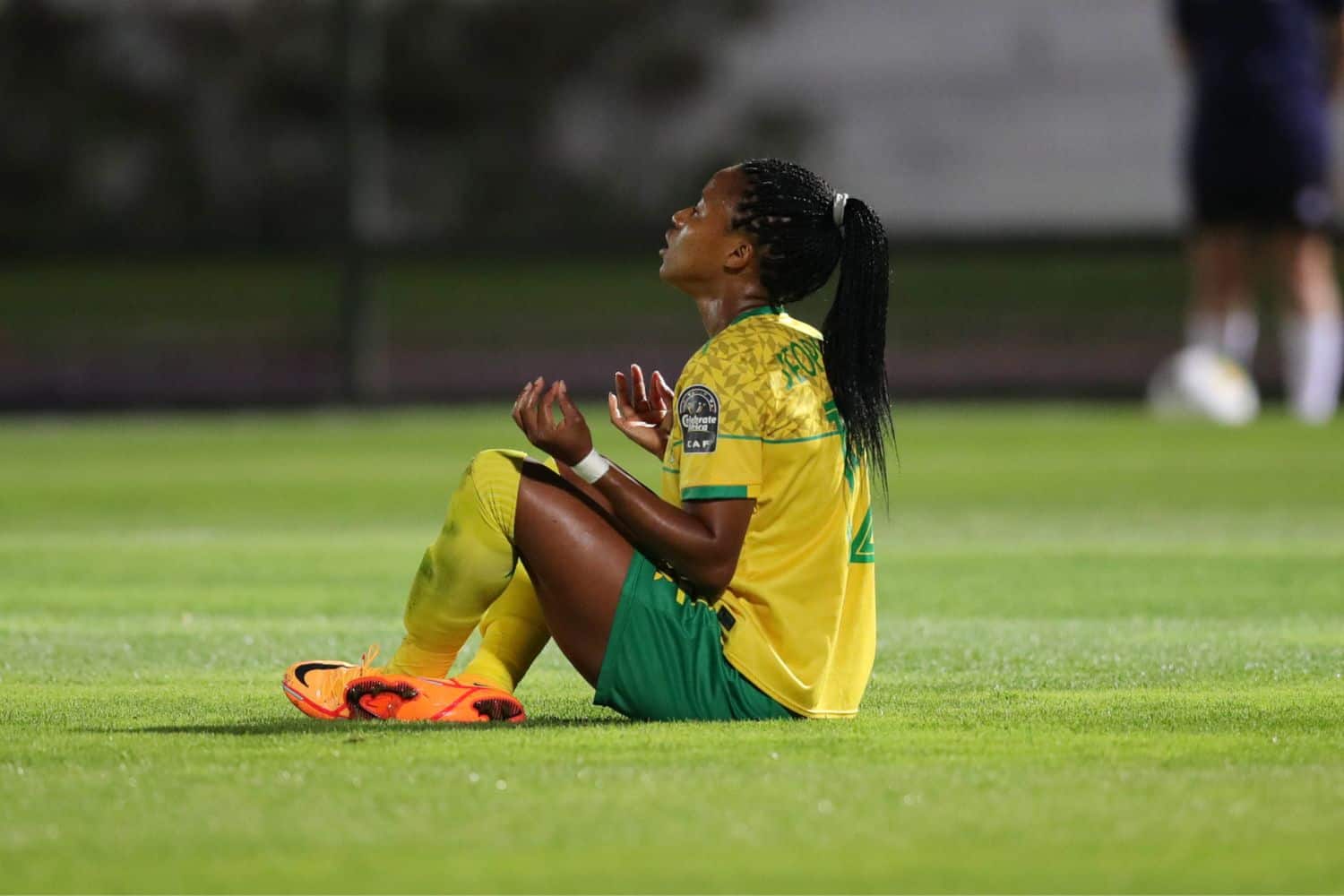
African football was plunged into uncertainty on Sunday evening after South Africa announced it will host the 2026 Women’s Africa Cup of Nations (WAFCON), replacing Morocco less than seven weeks before the tournament is due to begin.
South Africa’s Deputy Minister of Sport, Arts and Culture, Peace Mabe, confirmed the decision during a national television broadcast. She explained that South Africa stepped in after Morocco informed them it could no longer host the competition.
“We took the opportunity because we have the right infrastructure and support,” Mabe said. “When Morocco said they would not be able to organise it, South Africa made itself available and ready to host.”

The tournament was originally scheduled to run from March 17 to April 3. However, the dates may now be pushed back by up to two weeks to allow South Africa enough time to prepare. No new dates have been officially announced.
So far, neither Moroccan authorities nor the Confederation of African Football (CAF) have given a formal reason for Morocco’s sudden withdrawal. The move has surprised many, especially as Morocco had already selected host cities including Rabat, Casablanca and Fez.
There has been speculation that political issues or unresolved tensions from the disputed 2025 AFCON final against Senegal may have played a role, but these reports have not been confirmed.
In the past, CAF has sanctioned countries that pulled out of hosting major tournaments at short notice. Morocco were suspended and fined in 2015 after withdrawing from hosting the men’s AFCON over Ebola concerns, although those penalties were later overturned by the Court of Arbitration for Sport.
This time, however, CAF may take a more cautious approach, given the close ties between CAF President Patrice Motsepe and Morocco’s Vice-President of CAF, Fouzi Lekjaa.
Despite stepping down as hosts, Morocco’s women’s national team is still expected to take part in the tournament. They are provisionally placed in Group A alongside Algeria, Senegal and Kenya, pending final confirmation from CAF.
South Africa now faces the challenge of organising Africa’s biggest women’s football tournament at very short notice, while CAF is under growing pressure to provide clear information to teams, sponsors and supporters.
For Morocco, the late withdrawal has raised fresh questions about its reliability as a major host nation, as African football waits to see how the situation will unfold.